UK road markings
Lines and words painted on the road give instructions, warnings and information, often alongside a sign. Some markings carry legal restrictions, so it pays to know them as well as you know the signs.
How to read road markings
The colour and the type of line tell you what kind of rule a marking gives.
- White lines
- Guide and control traffic: lanes, give way and stop lines, and the centre of the road.
- Yellow lines and boxes
- Restrict waiting, loading and stopping, and keep junctions and school entrances clear.
- Red lines
- Mark red routes, where stopping is banned. Double red lines mean no stopping at any time.
- Solid or broken
- A solid line generally means do not cross. A broken line gives guidance or tells you to give way.
Most looked-up road markings
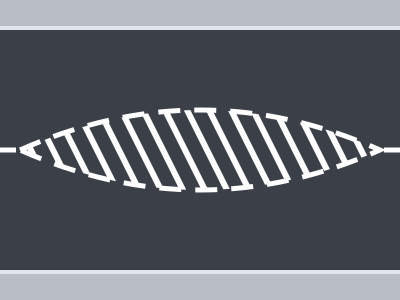 Hatched markingsAreas of diagonal stripes separate traffic or protect turning traffic. Do not enter them unless it is necessary and safe.
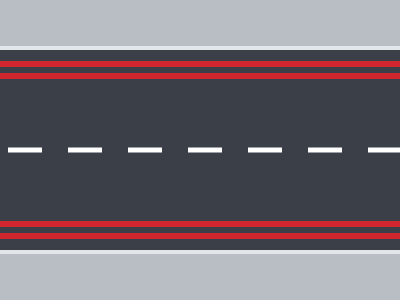 Double red linesOn a red route, double red lines mean no stopping at any time, not even to drop someone off or to load.
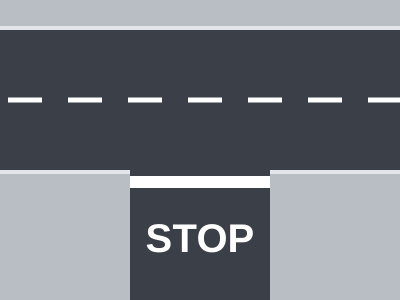
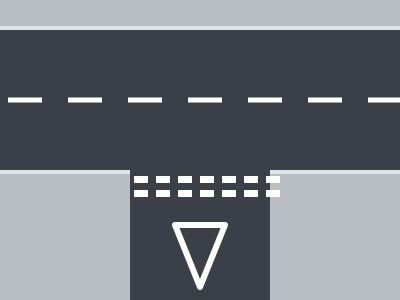 Give way linesGive way to traffic on the main road. You only need to stop if traffic is coming, but you must not pull out in front of it.
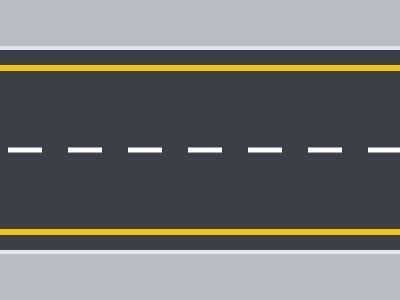 Single yellow lineNo waiting during the times shown on nearby signs. Outside those times you may wait or park there.
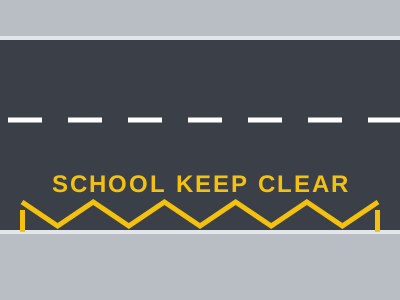 School keep clear markingsKeep this stretch outside a school clear. Do not stop, not even to drop off or pick up children.
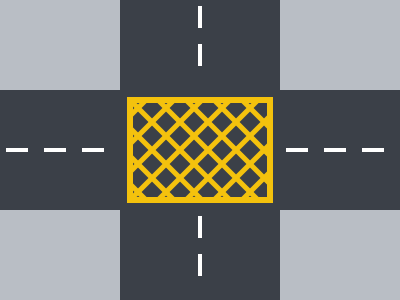 Box junctionDo not enter the yellow box until your exit is clear. You may wait in it to turn right if only oncoming traffic stops you.
All road markings by type
Yellow and red lines
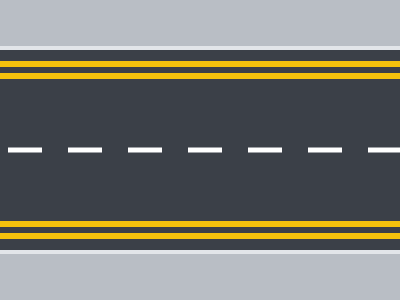
Yellow lines along the edge of the road show waiting restrictions. Double yellow lines mean no waiting at any time, unless signs show seasonal restrictions. A single yellow line means no waiting during the times shown on nearby signs. On red routes, red lines replace yellow ones and ban stopping altogether.
Coming soon: Kerb loading marks
White lines
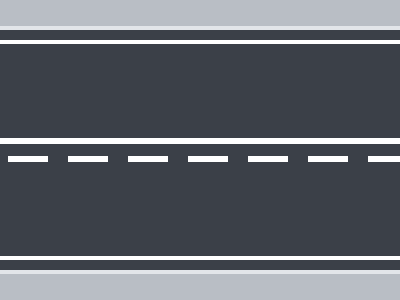
White lines along the middle of the road separate traffic. Longer dashes warn of a hazard ahead. Where the line nearest to you is solid, you must not cross or straddle it except in the limited situations set out in the Highway Code.
Coming soon: Centre lines, Hazard warning lines
Lane markings
Arrows and lines that show which lane to use for the direction you want to take. Get into the correct lane in good time.
Coming soon: Lane arrows, Lane dividers
Box junctions
Criss-cross yellow lines at a junction. You must not enter the box until your exit road or lane is clear. You may wait in it to turn right if you are only held up by oncoming traffic or other vehicles waiting to turn right.
Bus lanes
A lane separated by a wide solid white line and marked BUS LANE. Signs show when it operates and which vehicles may use it.
Coming soon: With-flow bus lane, Contraflow bus lane
Keep clear markings
Markings that show where you should not stop, such as outside an entrance used by emergency vehicles. School entrances are marked with yellow zigzag lines and SCHOOL KEEP CLEAR.
Coming soon: KEEP CLEAR
Pedestrian and cycle markings
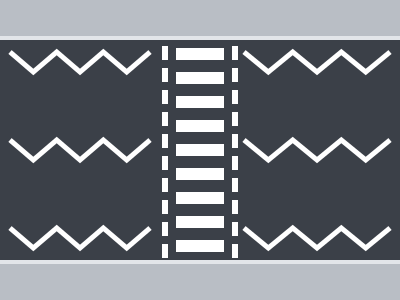
Zigzag lines on each side of a pedestrian crossing mark an area where you must not park or wait. At some traffic lights, an advanced stop line gives cyclists space at the front. Drivers must stop at the first white line when the lights are amber or red.
Coming soon: Advanced stop line, Cycle lanes
Each marking page explains the rules in our own words, with the Highway Code rule or Know Your Traffic Signs page for every fact. The full rules are in the Highway Code: road markings (opens GOV.UK).
Share
Pinterest (opens in a new tab)Facebook (opens in a new tab)X (opens in a new tab)WhatsApp (opens in a new tab)EmailRoad markings: common questions
Can you cross a solid white line?
Where the line nearer to you is solid, you must not cross or straddle it, except in a few cases, such as to pass a stationary vehicle or to overtake a cycle, horse or road maintenance vehicle travelling at 10 mph or less, when it is safe.
What does a single yellow line mean?
No waiting during the times shown on nearby signs. If the signs show no days, the restriction applies every day, including Sunday. Outside the times shown, you may wait or park there.
What do double yellow lines mean?
No waiting at any time, even if there are no upright signs. You may usually stop briefly to load or to let passengers in or out, unless signs or kerb marks say otherwise.
What do double red lines mean?
On a red route, double red lines mean no stopping at any time, not even to drop someone off or to load. The ban covers the whole road, including the verge and footway.
When can you enter a yellow box junction?
Only when your exit road or lane is clear. You may enter and wait in the box when turning right, if oncoming traffic or other vehicles waiting to turn right are all that stop you.
Can you drive on hatched markings?
If the hatched area is bordered by a broken white line, you should not enter it unless it is necessary and safe. If it is bordered by a solid white line, you must not enter it except in an emergency.
Road Markings Quiz
Check you can tell a single yellow line from a double, and a stop line from a give way line.