Information signs
Information signs tell you about the road ahead and nearby facilities, such as a road with no through route, a one-way street or a place to park.
Most are rectangles. They help you plan, rather than giving you an order or warning you of a hazard.
Usually a rectangle
Type its name or what it shows, or pick the shape and colour you saw.
What to do when you see a information sign
- 1
Use it to plan: information signs help you choose your route, lane or stopping place in good time.
- 2
Read the colour of direction signs: green for primary routes, white for other routes, blue for motorways and brown for tourist places.
- 3
Check for regulatory signs and markings nearby. Information signs explain the road; the orders come from regulatory signs.
Most looked-up information signs
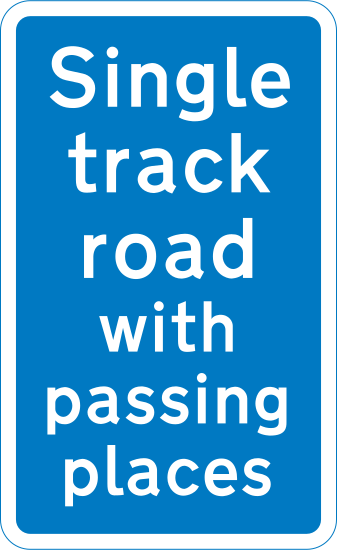
Single track road with passing places
Information sign
Narrow road ahead with passing places
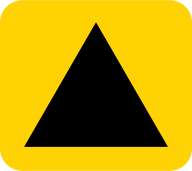
Emergency diversion route
Information sign
Follow this symbol on an emergency diversion route
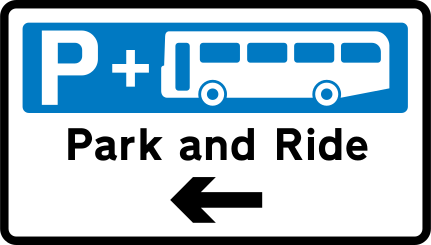
Park and Ride
Information sign
Direction to a Park and Ride car park
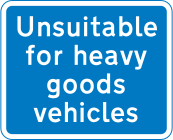
Unsuitable for heavy goods vehicles
Information sign
The route is unsuitable for heavy goods vehicles
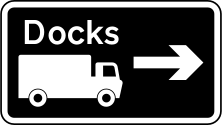
Lorry route
Information sign
Recommended route for lorries
All 70 information signs
Each sign links to its meaning, the rule behind it and the signs it is mixed up with. We add signs once each one has been checked against official sources.
Road layout (31)
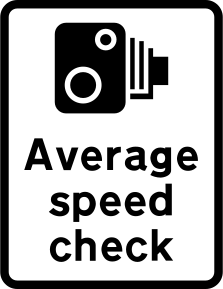
Average speed check
Information sign
A length of road with average speed cameras
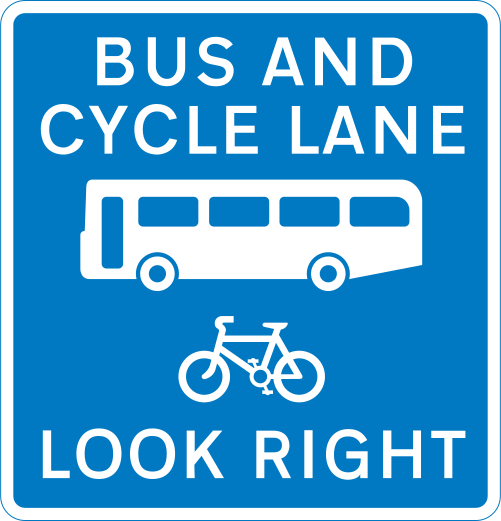
Bus and cycle lane: look right
Information sign
Pedestrians, look right for buses and cycles
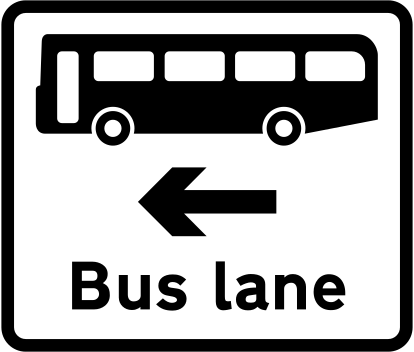
Bus lane at junction ahead
Information sign
A bus lane on the road at the junction ahead
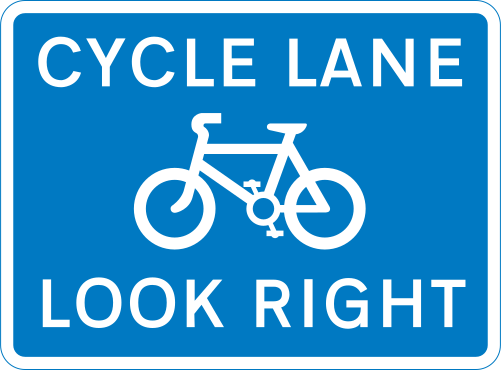
Cycle lane: look right
Information sign
Pedestrians, look right for cycles
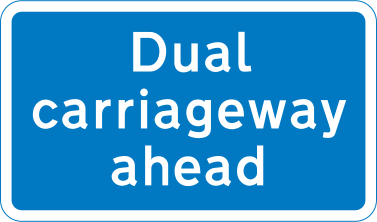
Dual carriageway ahead
Information sign
A dual carriageway begins ahead
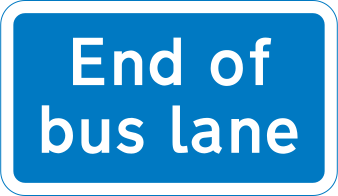
End of bus lane
Information sign
The bus lane ends here
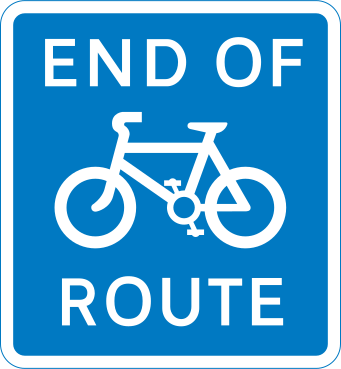
End of cycle route
Information sign
The cycle lane, track or route ends
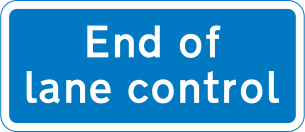
End of lane control
Information sign
The end of lane control
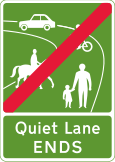
End of Quiet Lane
Information sign
The end of a Quiet Lane
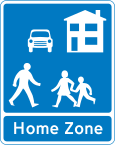
Home Zone
Information sign
The entrance to a Home Zone
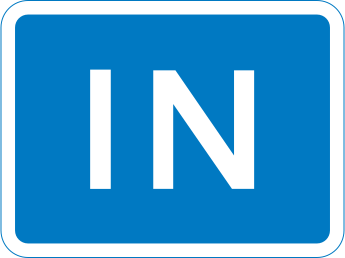
In (separate entrance)
Information sign
The entrance where entry and exit are separate
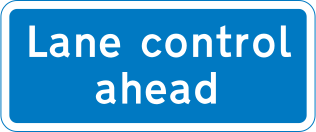
Lane control ahead
Information sign
Lane control signals ahead
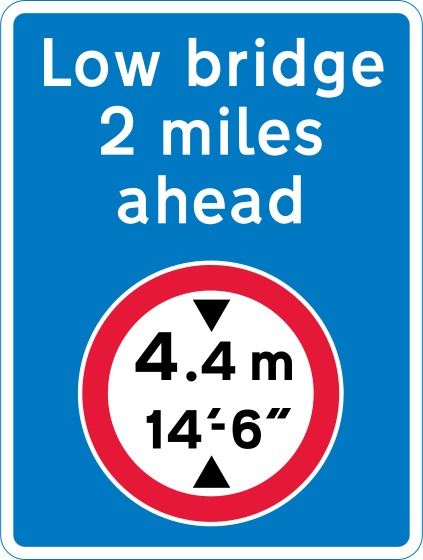
Low bridge ahead
Information sign
A height restriction ahead
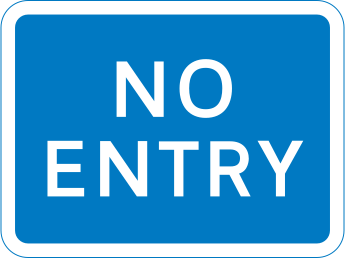
No entry (separate entrance)
Information sign
No entering by this point
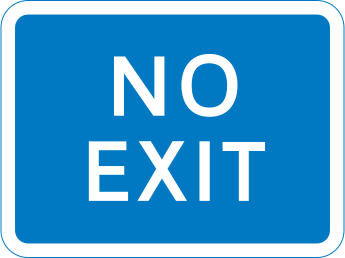
No exit (separate exit)
Information sign
No leaving by this point
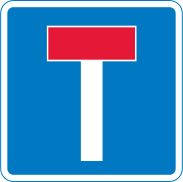
No through road
Information sign
The road ahead has no through route for vehicles.
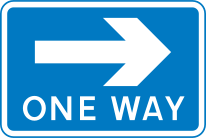
One way (pedestrian advice)
Information sign
Traffic is one-way in the direction shown
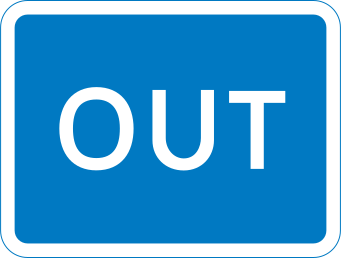
Out (separate exit)
Information sign
The exit where entry and exit are separate
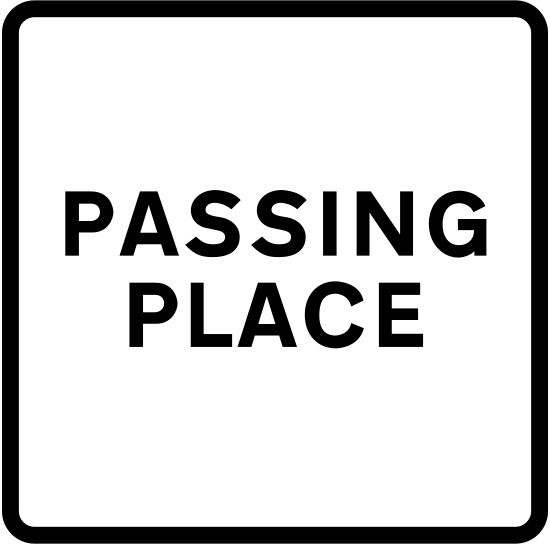
Passing place
Information sign
A place to pull in on a narrow road
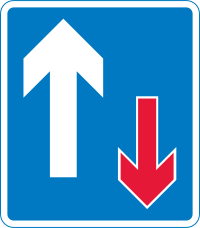
Priority over oncoming vehicles
Information sign
You have priority over oncoming vehicles through the narrow section ahead.
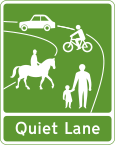
Quiet Lane
Information sign
The start of a Quiet Lane
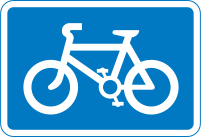
Recommended route for cycles
Information sign
A route recommended for cycles on the road
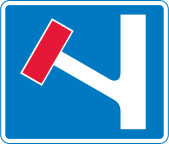
Road closed to through traffic
Information sign
A road physically closed to through traffic
Single track road with passing places
Information sign
Narrow road ahead with passing places
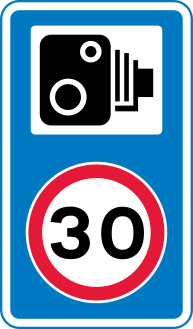
Speed camera nearby (30 mph)
Information sign
A speed camera nearby on a 30 mph road
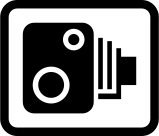
Speed camera reminder
Information sign
A reminder that cameras are in use
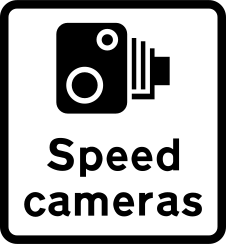
Speed cameras
Information sign
An area where speed cameras are in use
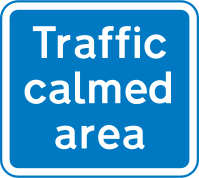
Traffic-calmed area
Information sign
The entrance to a traffic-calmed area
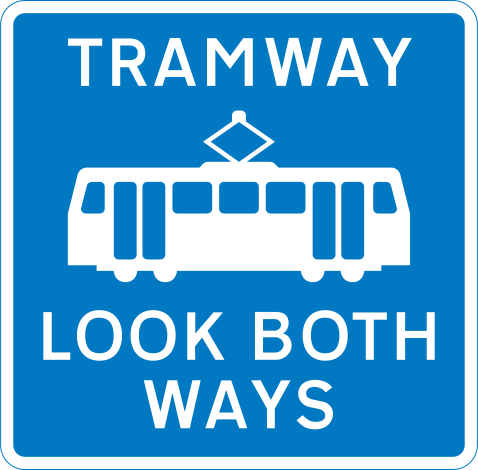
Tramway: look both ways
Information sign
Pedestrians, look both ways for trams
Unsuitable for heavy goods vehicles
Information sign
The route is unsuitable for heavy goods vehicles
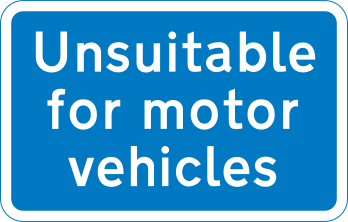
Unsuitable for motor vehicles
Information sign
A route unsuitable for motor vehicles
Direction signs (12)
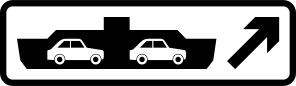
Car ferry
Information sign
The direction to a car ferry
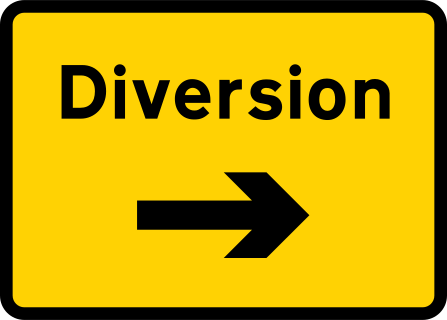
Diversion
Information sign
Follow the diversion in the direction shown
Emergency diversion route
Information sign
Follow this symbol on an emergency diversion route
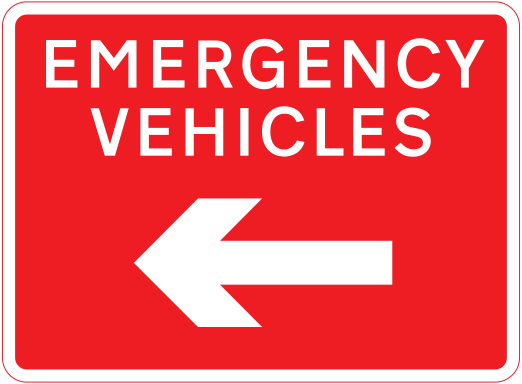
Emergency vehicles route
Information sign
Route for emergency vehicles only
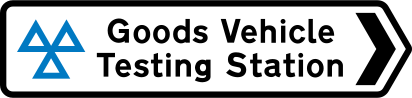
Goods vehicle testing station
Information sign
A testing station for goods vehicles
Lorry route
Information sign
Recommended route for lorries
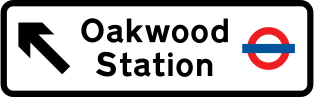
Non-primary route direction
Information sign
Directions on a non-primary or local route
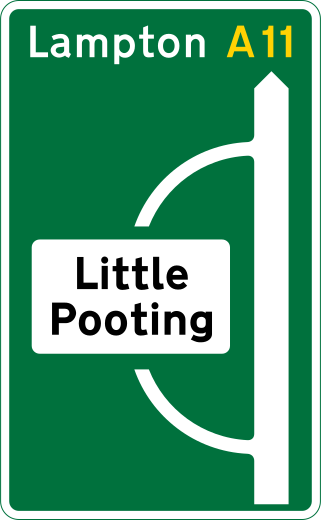
Primary route direction
Information sign
Directions on a primary route (main A road)
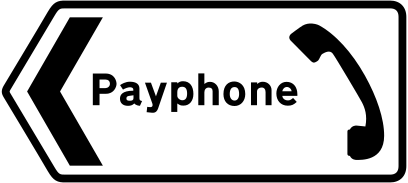
Public telephone
Information sign
The direction to a public telephone
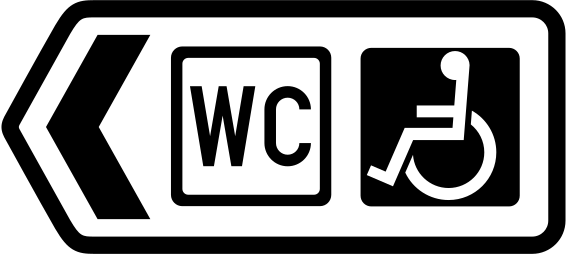
Public toilets with disabled access
Information sign
Public toilets with disabled facilities
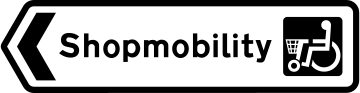
Shopmobility
Information sign
A Shopmobility service for disabled people

Vehicle ferry
Information sign
The direction to a vehicle ferry
Tourist signs (7)
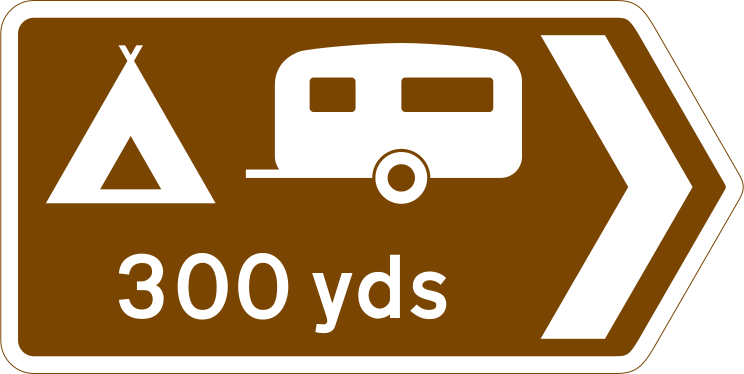
Camping and caravan site
Information sign
A licensed camping and caravan site
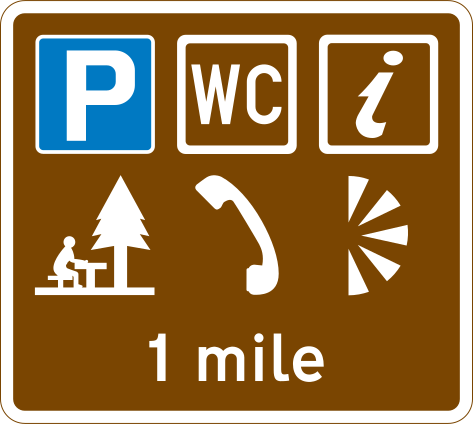
Parking with tourist facilities
Information sign
A parking place with visitor facilities ahead
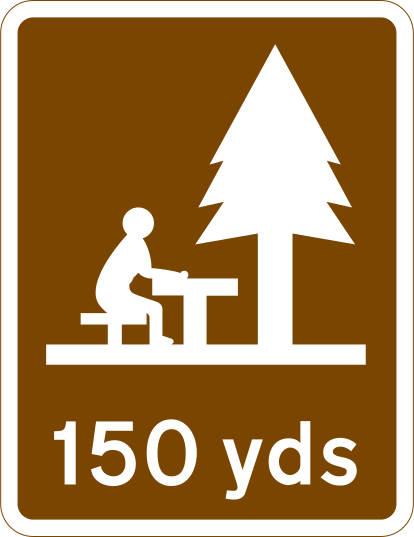
Picnic area
Information sign
A picnic area ahead
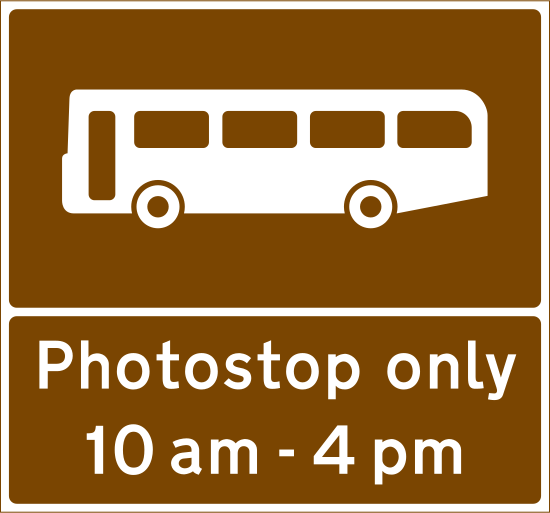
Tourist bus photo stop
Information sign
A photo stop for tourist buses

Tourist destination
Information sign
Directions to a tourist attraction
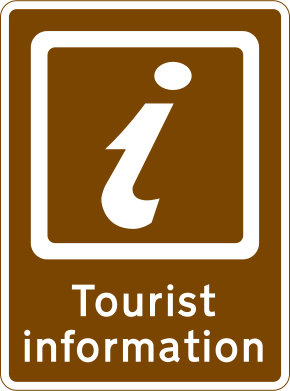
Tourist information
Information sign
Tourist information point or centre
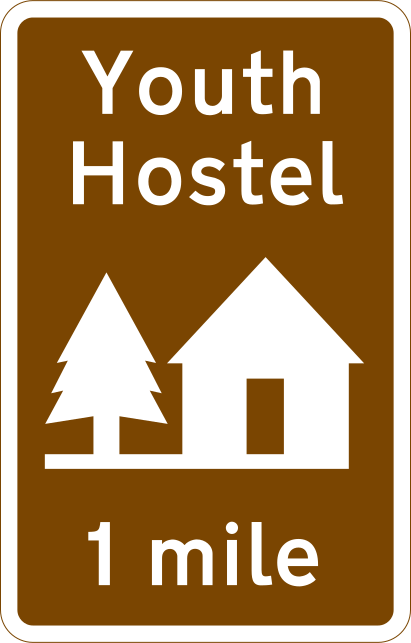
Youth hostel
Information sign
A youth hostel
Parking (12)
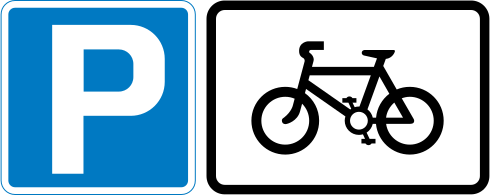
Cycle parking
Information sign
A parking place for pedal cycles
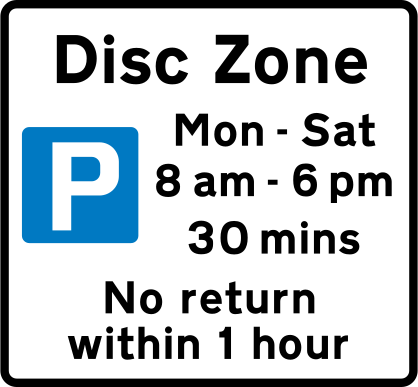
Disc zone
Information sign
Display a parking disc showing your arrival time
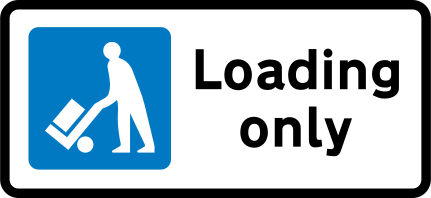
Loading only
Information sign
A bay for loading and unloading only
Park and Ride
Information sign
Direction to a Park and Ride car park
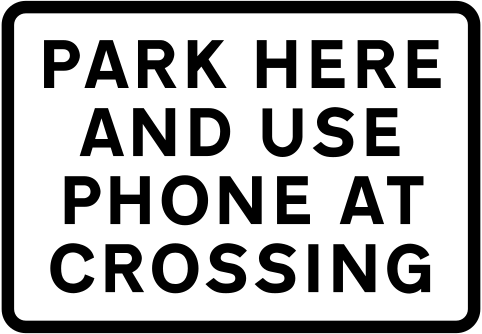
Park here and use phone
Information sign
Park here while you phone the signal operator
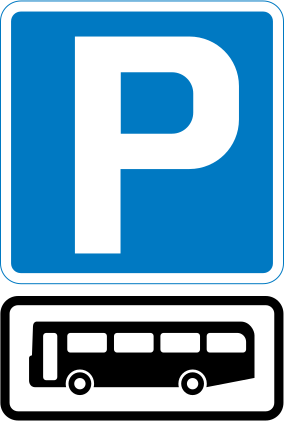
Parking for buses only
Information sign
A parking place for buses only
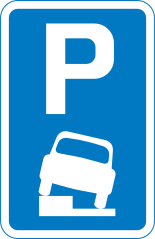
Parking partly on verge or footway
Information sign
Parking partly on the verge or footway
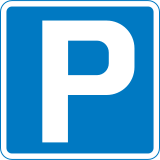
Parking place
Information sign
Parking place
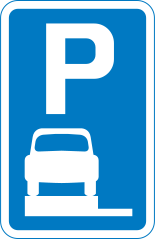
Parking wholly on verge or footway
Information sign
Parking wholly on the verge or footway
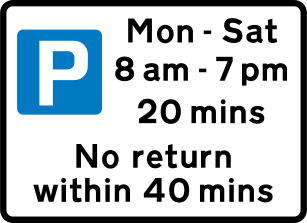
Parking with time limit
Information sign
Parking limited to the time shown
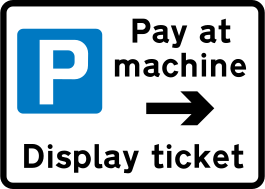
Pay and display parking
Information sign
Pay at the machine and display a ticket
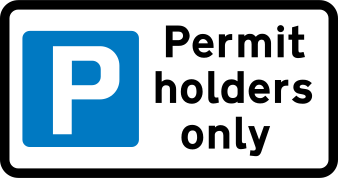
Permit holders only parking
Information sign
Parking for permit holders only
Facilities (8)
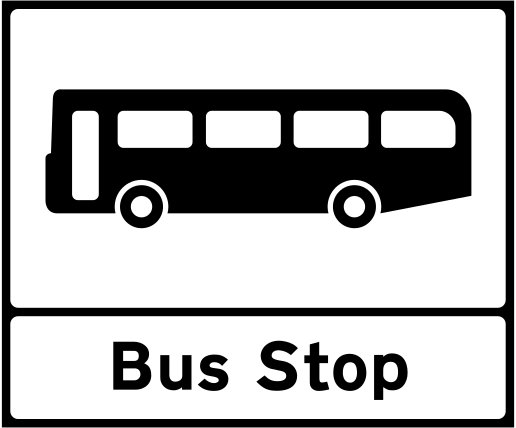
Bus stop
Information sign
A bus stop
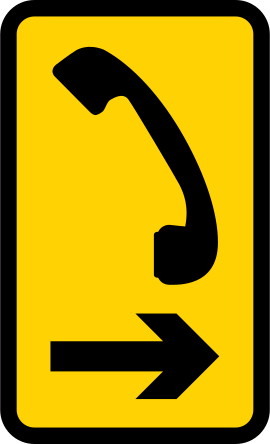
Direction to level crossing phone
Information sign
The direction to the level crossing phone
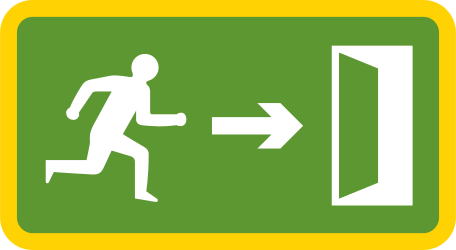
Emergency exit
Information sign
An emergency exit from a road tunnel
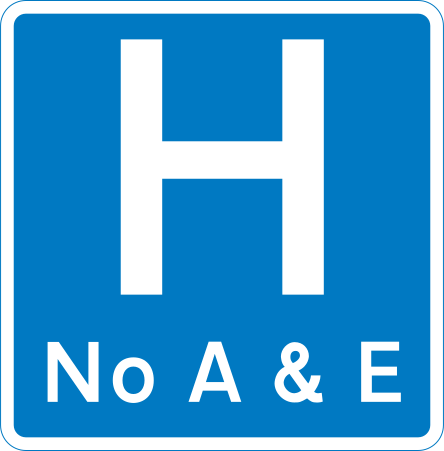
Hospital (no A&E)
Information sign
Hospital without A&E
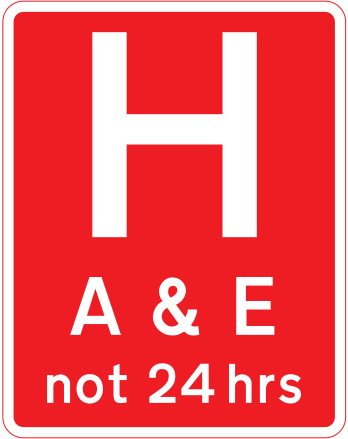
Hospital with A&E
Information sign
Hospital with A&E
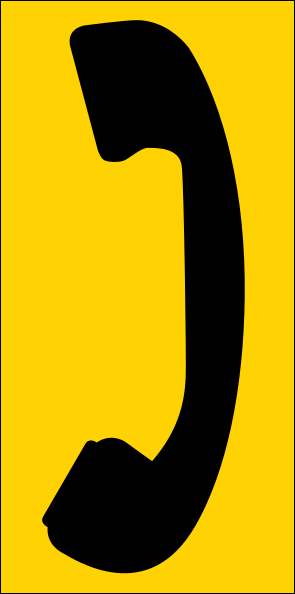
Level crossing phone
Information sign
The location of the level crossing phone

Services
Information sign
The entrance to roadside services
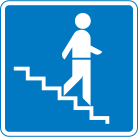
Stepped entrance to a subway
Information sign
A stepped entrance to a pedestrian subway
Learn information signs by heart
Share
Pinterest (opens in a new tab)Facebook (opens in a new tab)X (opens in a new tab)WhatsApp (opens in a new tab)EmailInformation signs: common questions
What do the colours of direction signs mean?
Green backgrounds are used on primary routes, blue on motorways and white on non-primary routes. Brown signs point to tourist destinations and facilities.
Do I have to obey an information sign?
Information signs give information rather than orders. The rules you must follow come from regulatory signs and road markings, which are often used alongside them.
Why are information signs rectangular?
Rectangles leave room for text, maps and symbols. The shape also tells you at a glance that the sign is giving information, not an order or a warning.
Related categories
Test yourself on information signs
Take the Information Signs Quiz: 10 questions, with an explanation after every answer.